
 1
1
 Mar 03, 2025
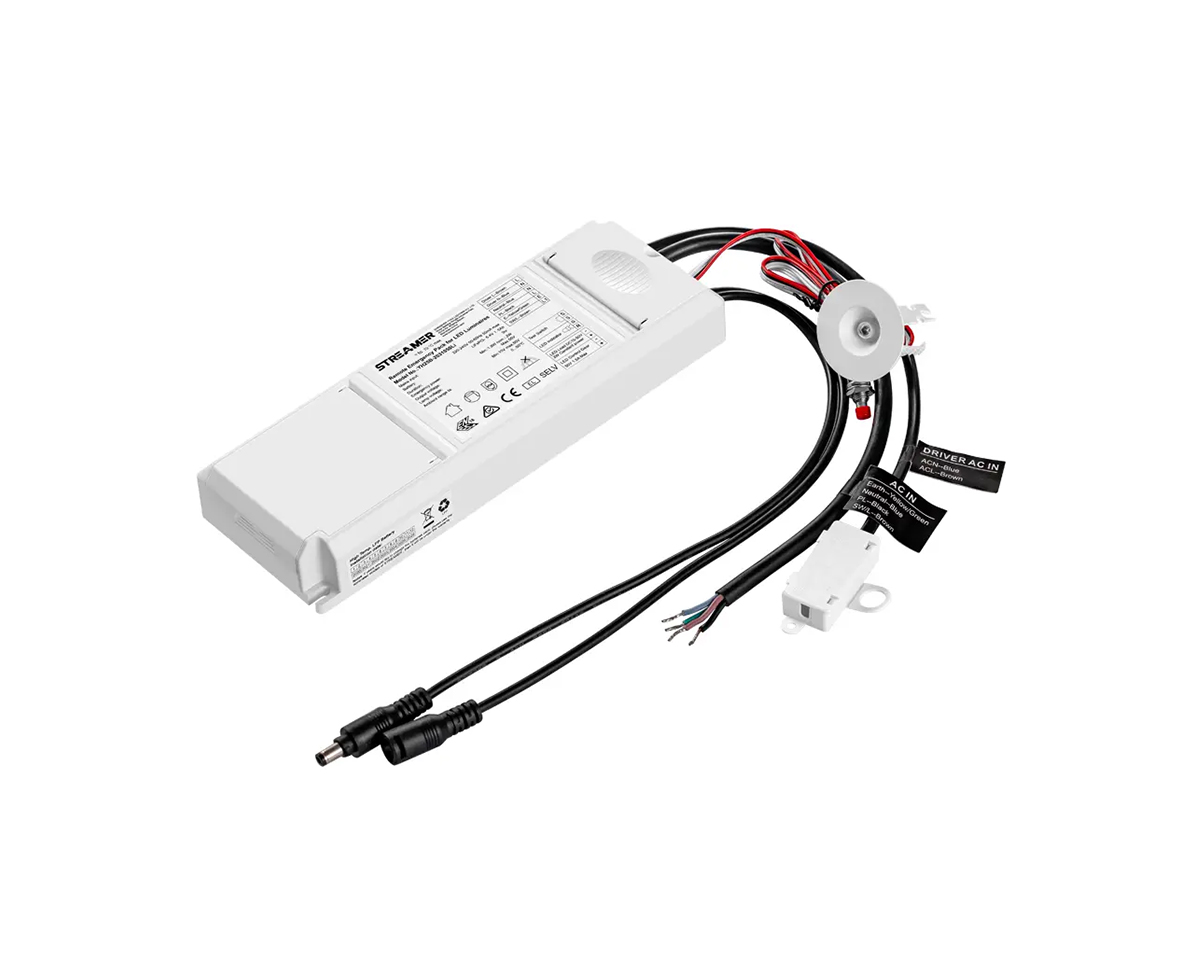
Heat dissipation is a critical consideration in Streamer BBU design as the high - density integrated circuits and continuous operation generate significant amounts of heat. Effective heat dissipation is essential to ensure the stable operation of the BBU and to prevent performance degradation and component failures.
One of the primary methods for heat dissipation in Streamer BBU is the use of heat sinks. Heat sinks are typically made of materials with high thermal conductivity, such as aluminum or copper. They are designed with a large surface area to facilitate the transfer of heat from the heat - generating components, such as the baseband processing chips, to the surrounding air. The heat sink's fins increase the surface area available for heat exchange, allowing for more efficient cooling. In some cases, heat pipes are also incorporated into the heat sink design. Heat pipes are closed - loop structures that use a phase - change process to transfer heat rapidly. They can effectively move heat from hot spots within the BBU to the heat sink fins, enhancing the overall heat dissipation efficiency.
Forced - air cooling is another common technique. Fans are used to blow air over the heat sinks, accelerating the heat transfer process. The design of the fan layout and the air - flow path within the BBU chassis is crucial. Proper air - flow management ensures that the cool air reaches all the heat - generating components and that the hot air is efficiently exhausted. In some high - performance Streamer BBUs, liquid - cooling systems may be employed. Liquid - cooling uses a coolant, such as water or a specialized cooling fluid, to absorb heat from the components. The coolant is then circulated through a radiator, where the heat is dissipated to the air. Liquid - cooling systems can provide more efficient cooling compared to air - cooling, especially in high - power - density applications.
In addition to these cooling mechanisms, thermal management software can be used to optimize heat dissipation. This software monitors the temperature of different components within the BBU and adjusts the fan speed or coolant flow rate accordingly. For example, if a particular component is running hotter than normal, the software can increase the fan speed or the coolant flow to that area to provide more cooling. By dynamically adjusting the cooling parameters, the thermal management software can ensure that the BBU operates at an optimal temperature, while also minimizing power consumption associated with cooling.
E-mail: sales@yihui-lighting.com
Tel:+86-0755-29778633
Fax:+86-0755-27459905
Add:1505, Vanke Xingchen Building, Shangxing Community Shajing,Baoan,Shenzhen China
Tel/Fax: +86-0752-3258999
Add: Building 35, CIMC Zhigu Industrial Park, Lilin Town, Zhongkai High-tech Zone, Huizhou China
 Contact Us
 Login
Login CN
CN Home >

 Login
Login